
Introduction

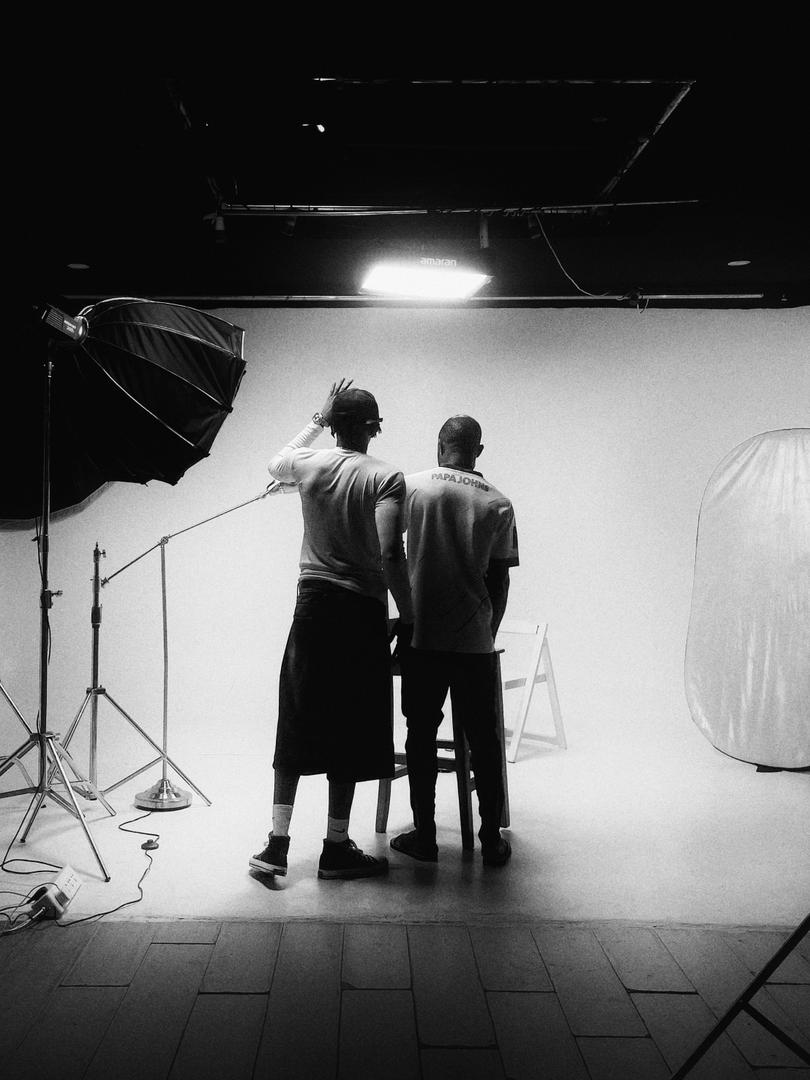
Set building is more than aesthetics its strategy. A well designed set shapes perception, strengthens storytelling, and gives new projects a powerful first impression. From lighting and textures to spatial arrangement, every detail must align with the concept being introduced. When sets are intentional and cohesive, they create emotional resonance, elevate visual identity, and help new ideas enter the market with clarity and lasting impact.


We sat down with OwlShotz to discuss the deeper role of set design and why it has become an essential tool in modern visual communication.


Interviewer:


Many people see set design as just creating a nice background. How would you define set building in today’s creative landscape?


OwlShotz:


Set building is not decoration, it’s visual strategy. A set is a controlled environment where every piece is intentionally placed to pass a message. Before the audience hears a word or understands the concept, they’ve already formed an opinion based on what they see. That first perception is what set design shapes.
 
Interviewer:
 
So, you’re saying the set influences how a project is received before the content even unfolds?
 
OwlShotz:
 
Exactly. A well constructed set prepares the audience psychologically. It creates context. Whether you’re introducing a brand, an artist, or an idea, the environment signals professionalism, mood, and purpose. Without that display, even strong content can feel disconnected.
 
Interviewer:
 
What are the key elements you consider when designing a set?
 
OwlShotz:
 
There are three core pillars I consider: 
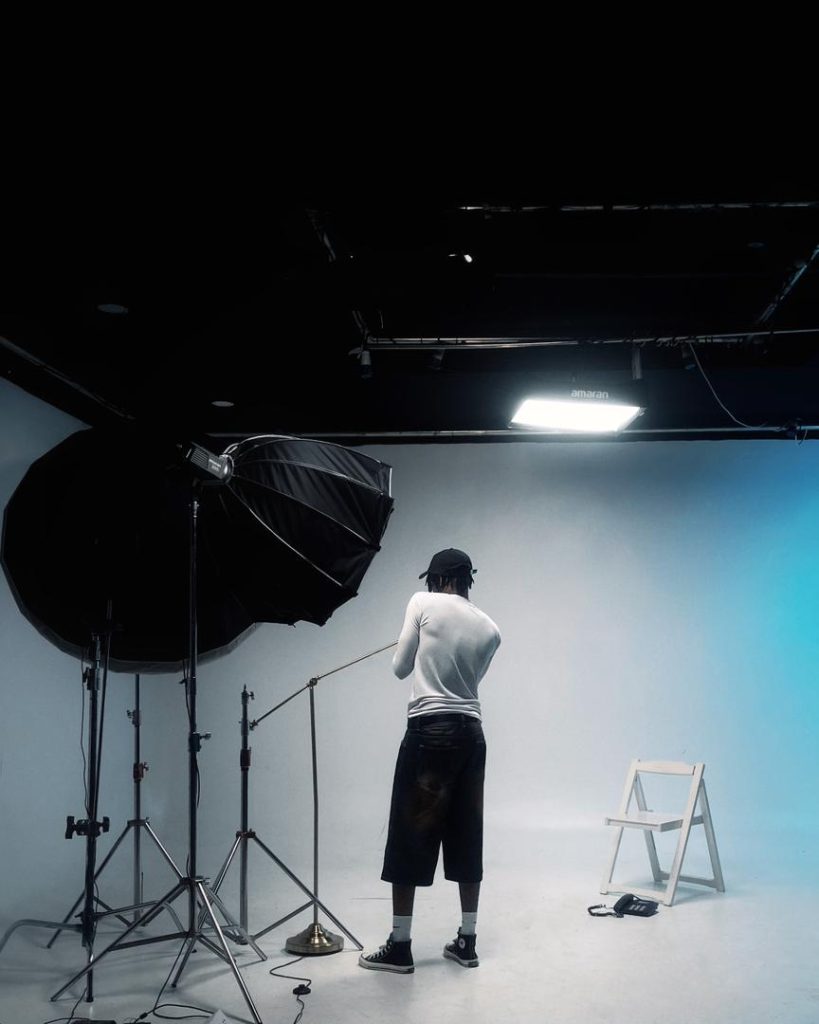
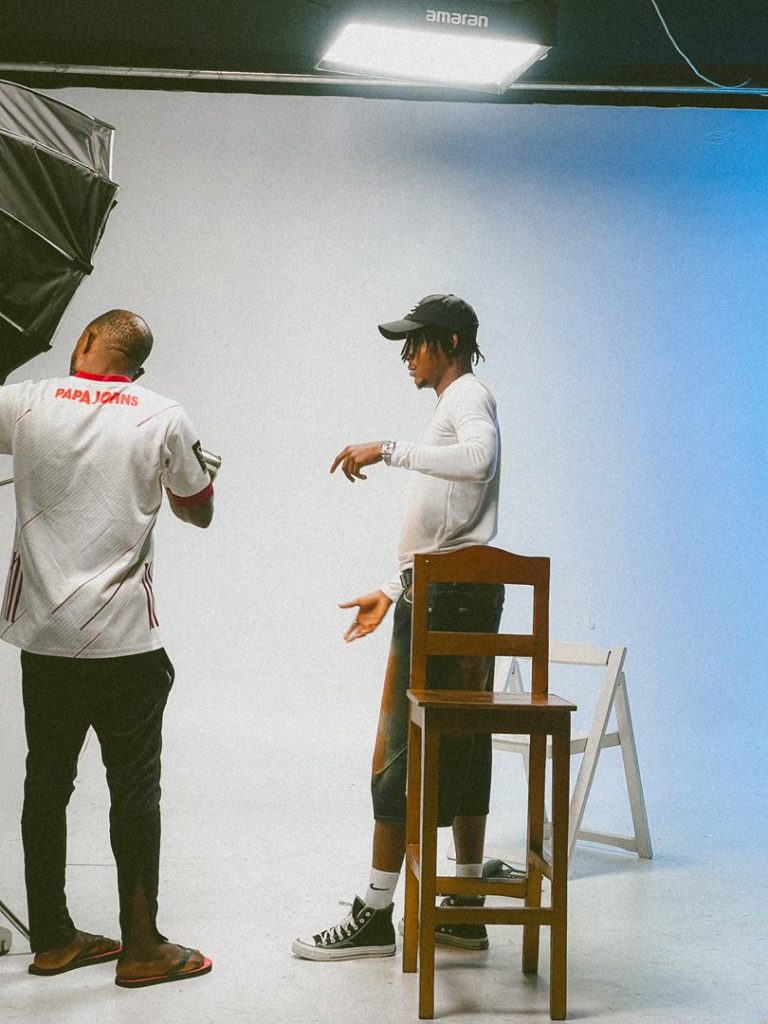
1.Lighting : This defines emotion and directs attention. Light can make something feel intimate, dramatic, futuristic, or grounded.
2.Texture & Materials : Surfaces tell stories. Smooth finishes feel modern; raw textures feel authentic. 
3.Spatial Arrangement : How objects are positioned controls movement, framing, and narrative.
 
Every decision must serve the concept, not just look appealing.
 
Interviewer:
 
How does intentional set design impact new projects entering the market?
 
OwlShotz:
 
When a project launches, clarity is everything. A well prepped set gives the audience a visual anchor. it says, this is who we are. That consistency builds trust quickly. In a saturated space, people remember experiences that feel deliberate and immersive.
 
Interviewer:
 
Can set building influence storytelling even in something as simple as a photoshoot?
 
OwlShotz:
 
Absolutely. A photoshoot without environmental intention is just documentation. A photoshoot with a designed set becomes narrative. The viewer begins to ask questions, feel emotion, and connect with the subject. That emotional involvement is what transforms visuals into storytelling.
Interviewer:
 
So, you’re saying the set influences how a project is received before the content even unfolds?
 
OwlShotz:
 
Exactly. A well constructed set prepares the audience psychologically. It creates context. Whether you’re introducing a brand, an artist, or an idea, the environment signals professionalism, mood, and purpose. Without that display, even strong content can feel disconnected.
 
Interviewer:
 
What are the key elements you consider when designing a set?
 
OwlShotz:
 
There are three core pillars I consider: 
1.Lighting : This defines emotion and directs attention. Light can make something feel intimate, dramatic, futuristic, or grounded.
2.Texture & Materials : Surfaces tell stories. Smooth finishes feel modern; raw textures feel authentic. 
3.Spatial Arrangement : How objects are positioned controls movement, framing, and narrative.
 
Every decision must serve the concept, not just look appealing.
 
Interviewer:
 
How does intentional set design impact new projects entering the market?
 
OwlShotz:
 
When a project launches, clarity is everything. A well prepped set gives the audience a visual anchor. it says, this is who we are. That consistency builds trust quickly. In a saturated space, people remember experiences that feel deliberate and immersive.
 
Interviewer:
 
Can set building influence storytelling even in something as simple as a photoshoot?
 
OwlShotz:
 
Absolutely. A photoshoot without environmental intention is just documentation. A photoshoot with a designed set becomes narrative. The viewer begins to ask questions, feel emotion, and connect with the subject. That emotional involvement is what transforms visuals into storytelling.